Spatialand
Bootstrapped to Walmart
Building VR Commerce at Fortune 1 │ 2016-2021 | Chief Creative Officer│ Board of Directors | Acquired in 2018│
STORE NO. 8 - Spatialand is now INSPERIENCE
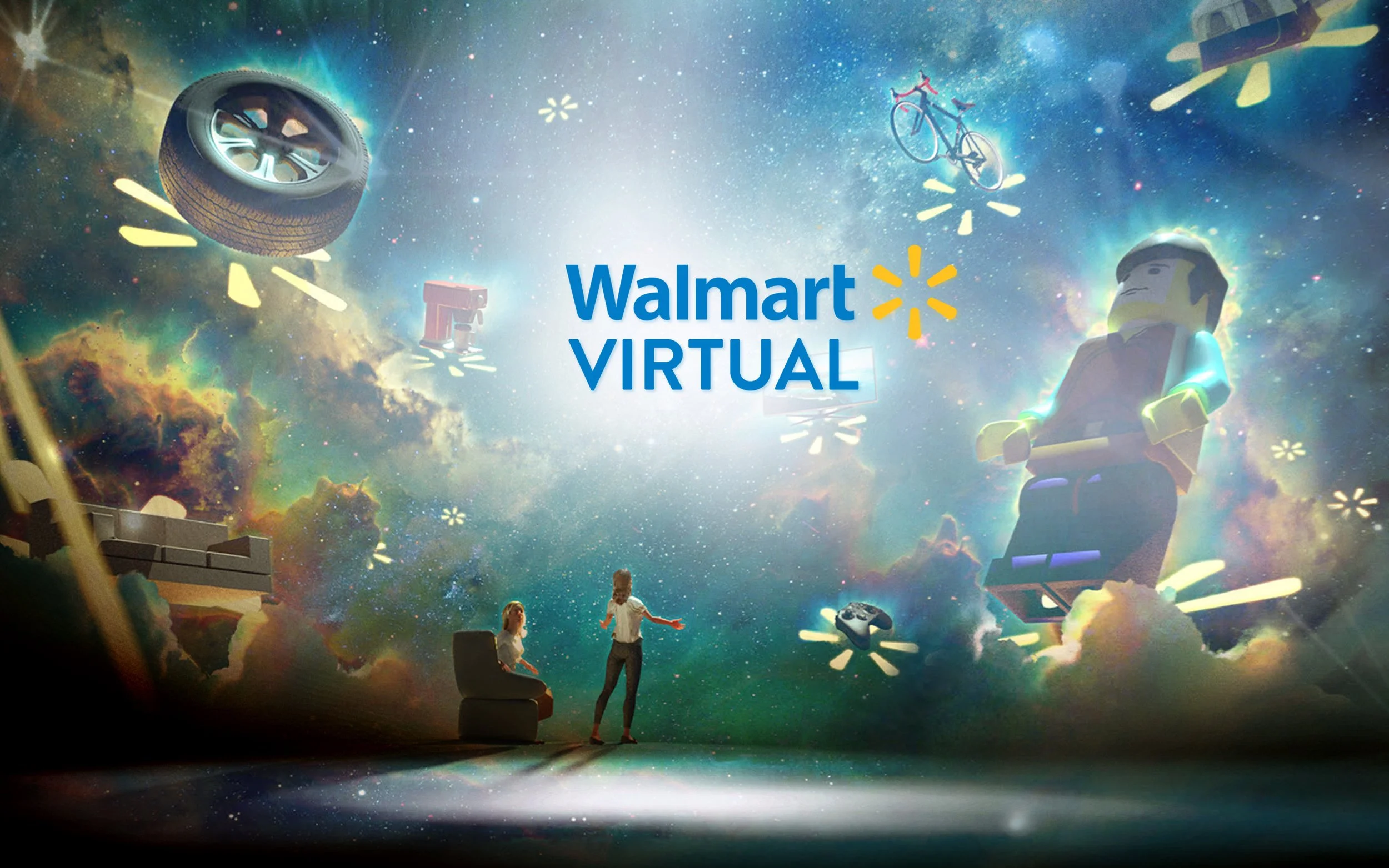
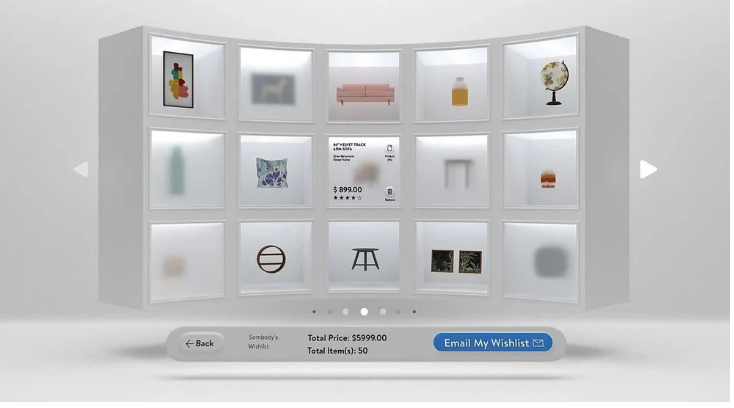
Store No. 8, Walmart's innovation arm, acquired Spatialand, which became Insperience, to develop VR capabilities to transform the future of commerce and bring innovation to merchandising inside Fortune 1. At Insperience, we built a VR Commerce platform allowing brands to merchandise their physical products in VR, enabling consumers to make confident purchase decisions by experiencing products spatially.
Architect an infinite universe for aspirational brands where content and commerce are one not only by doing it first, but by doing it best.
Vision

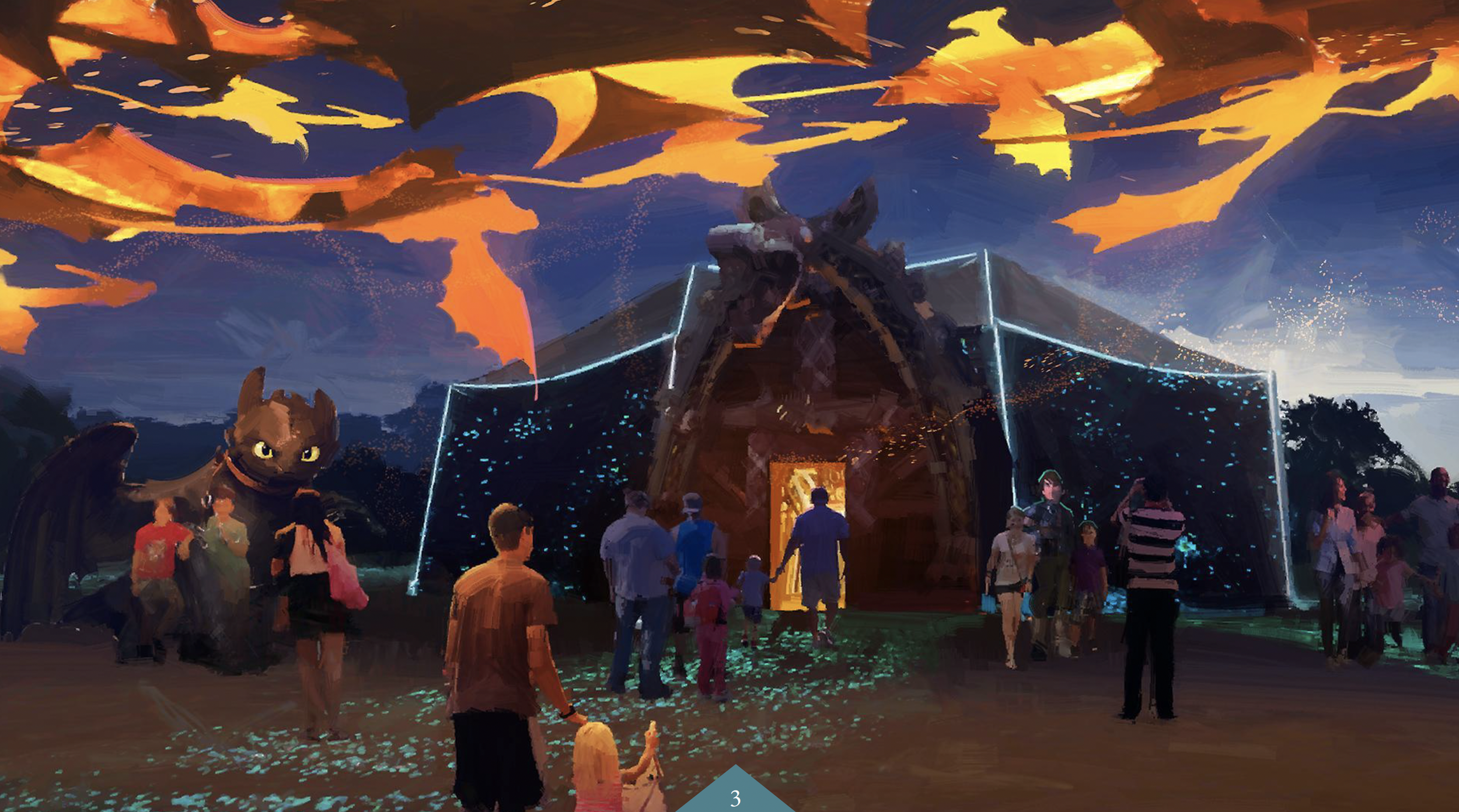
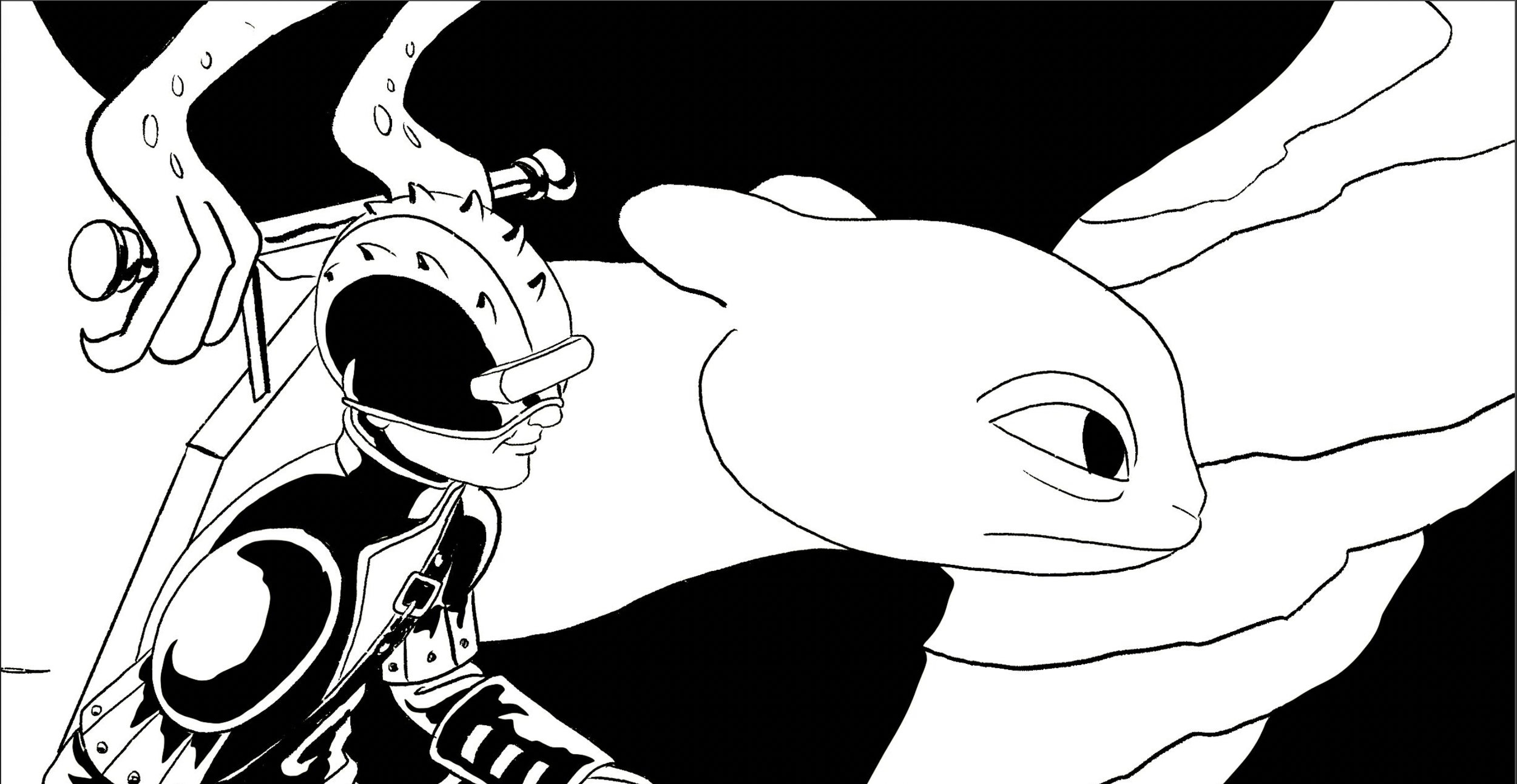
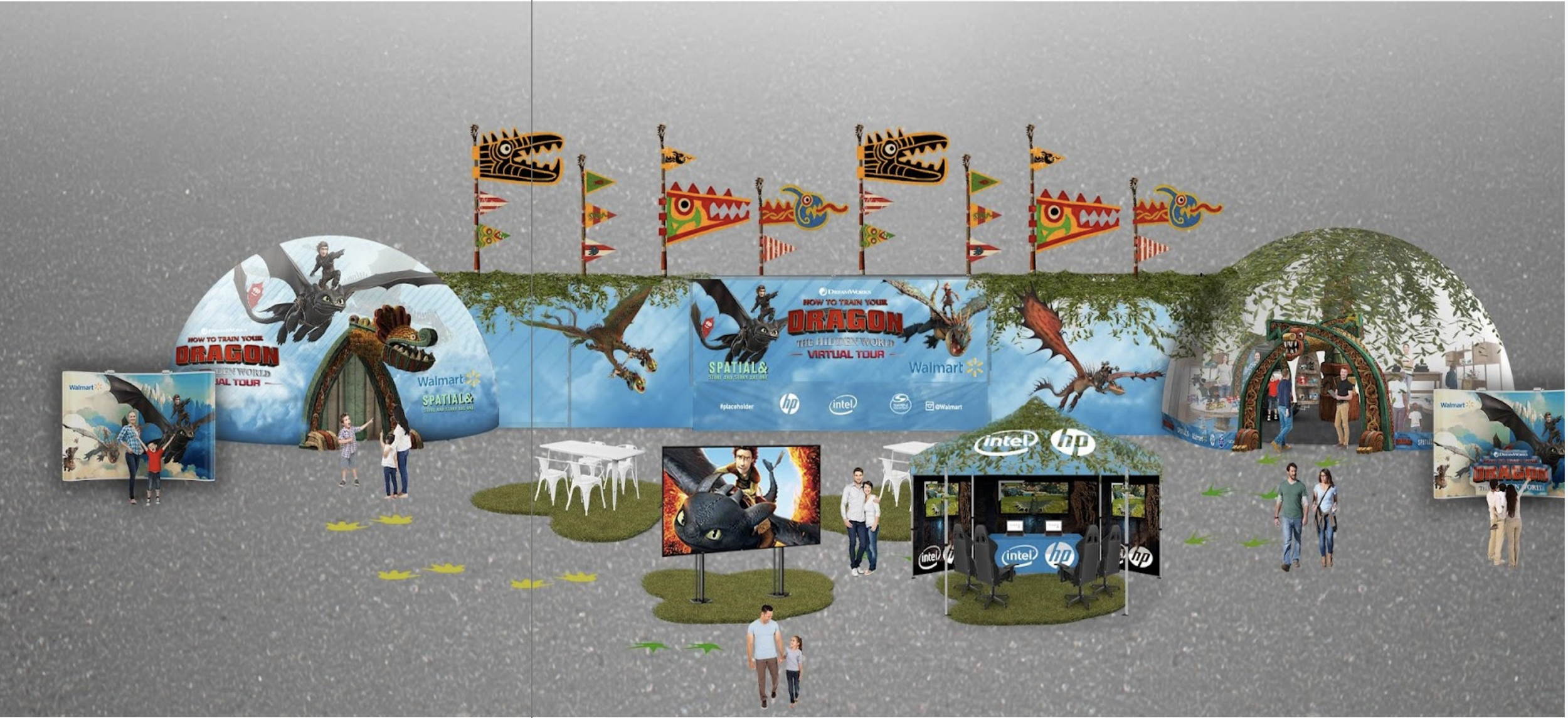
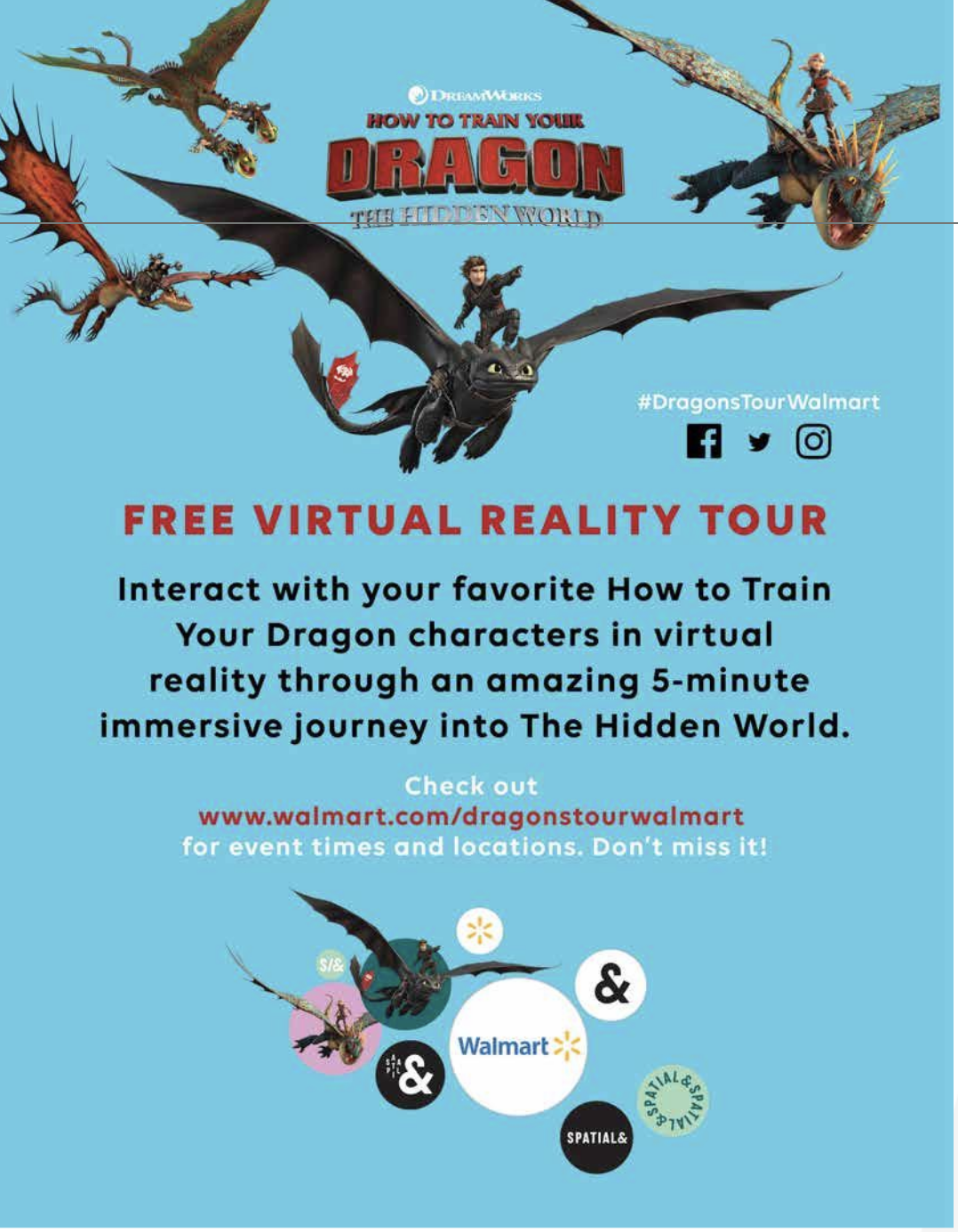
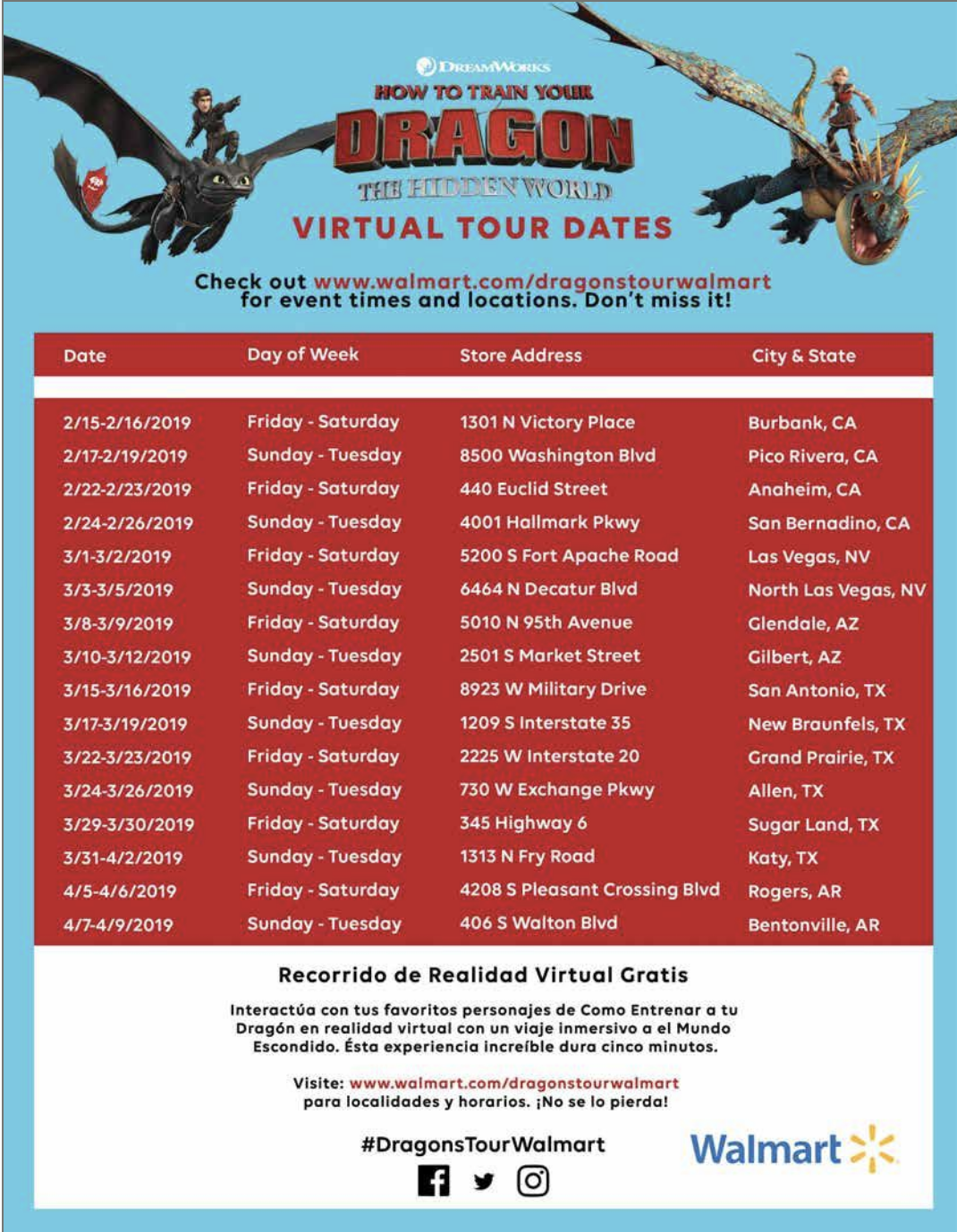
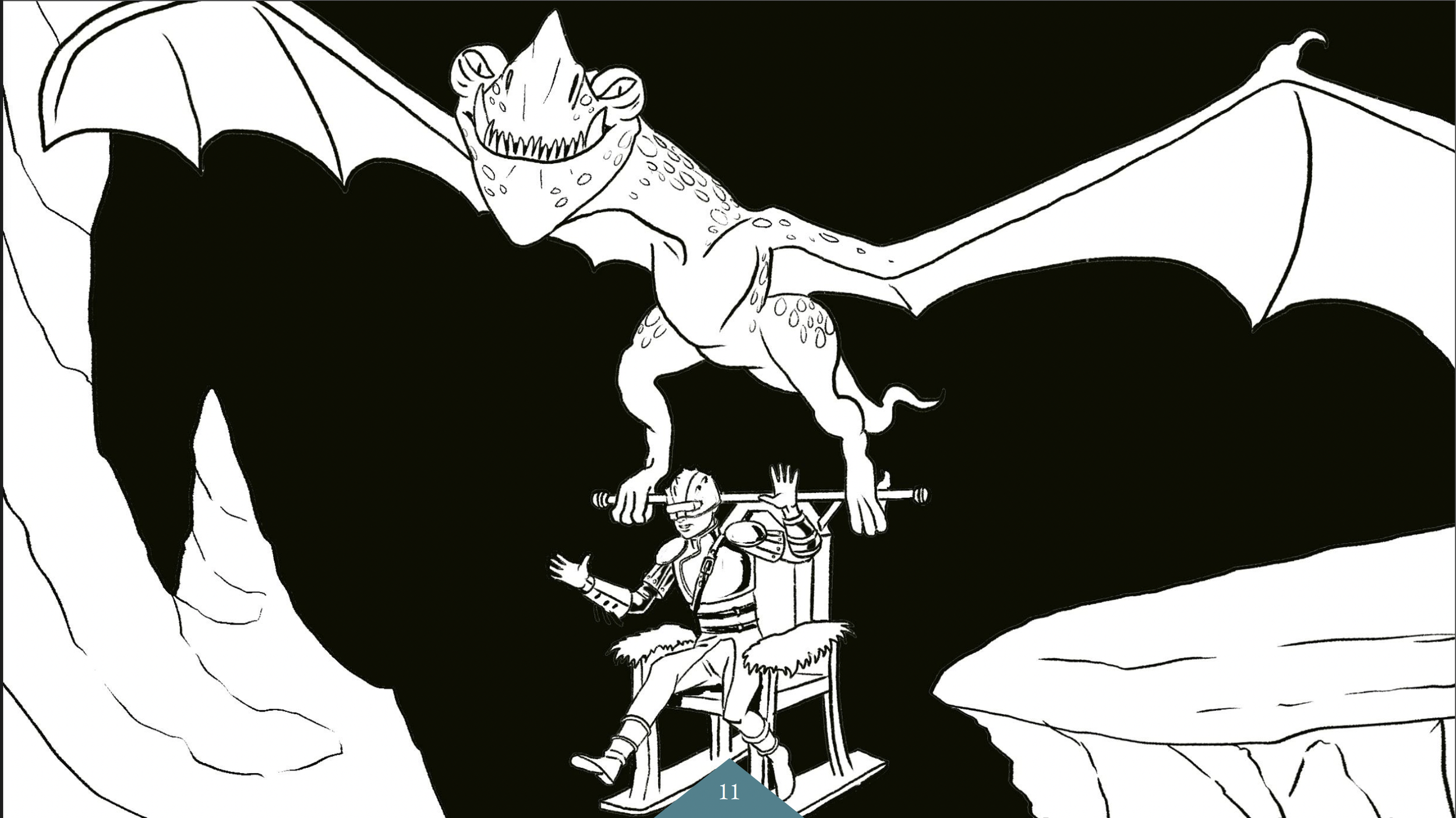
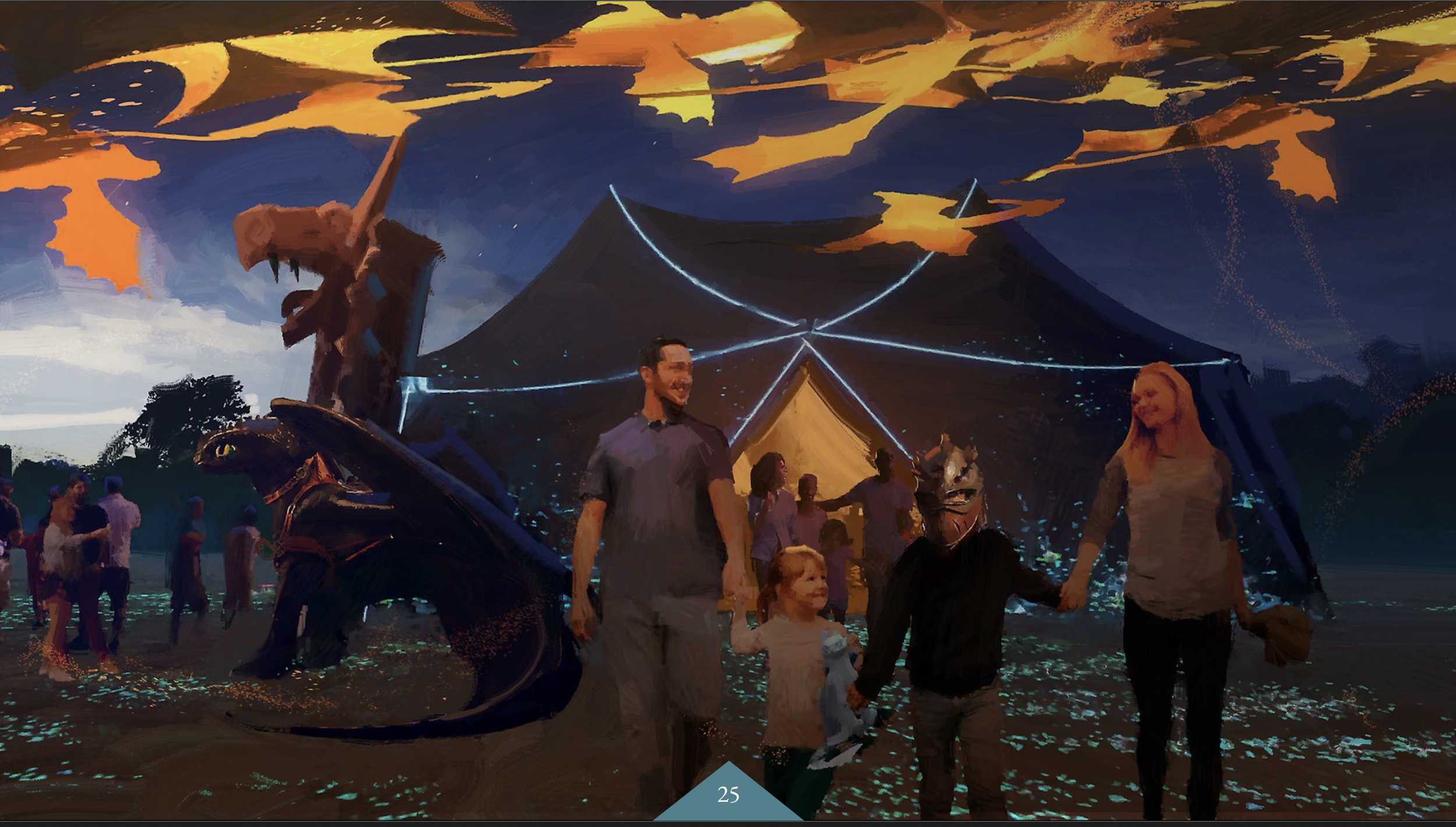
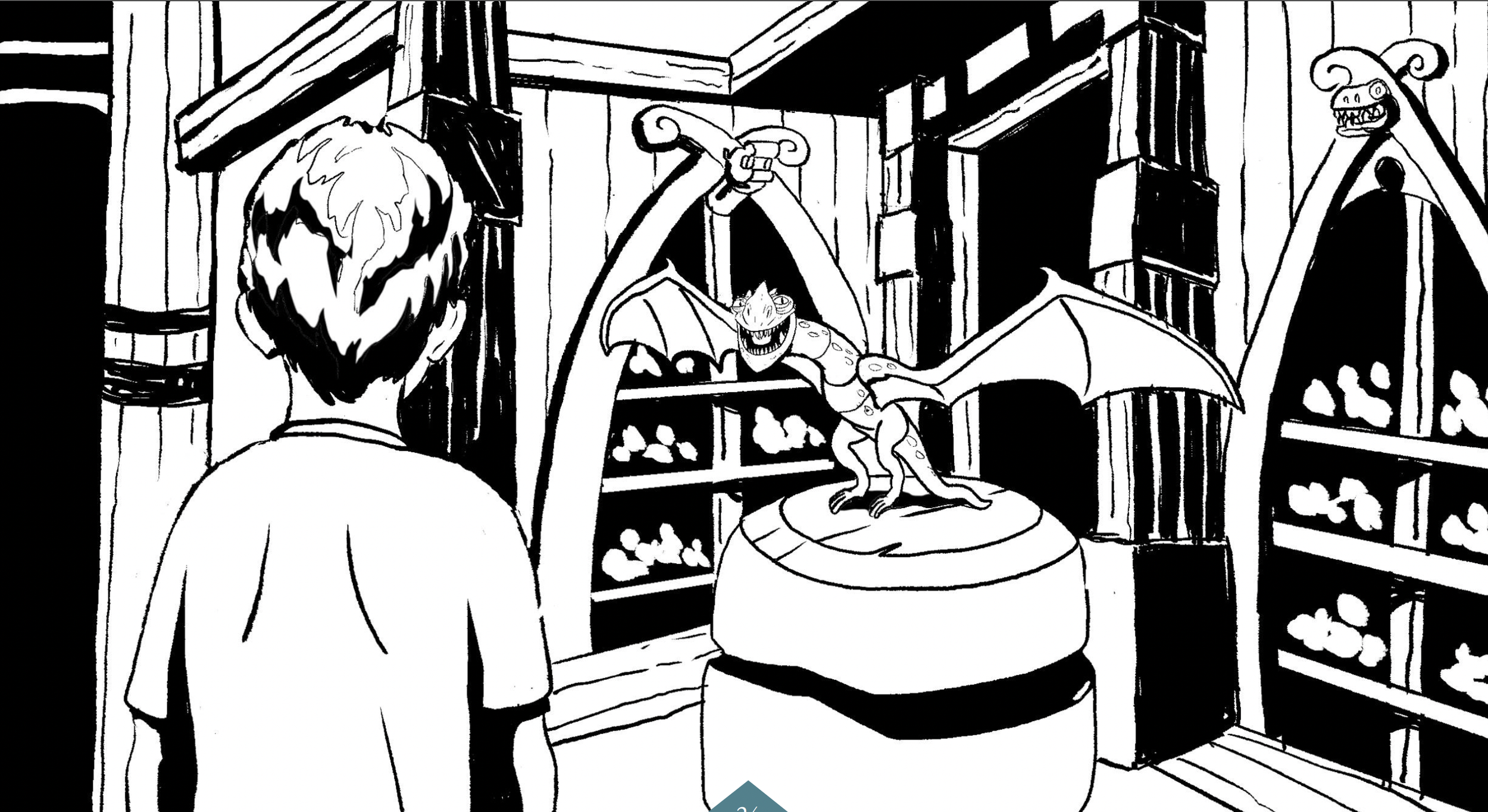
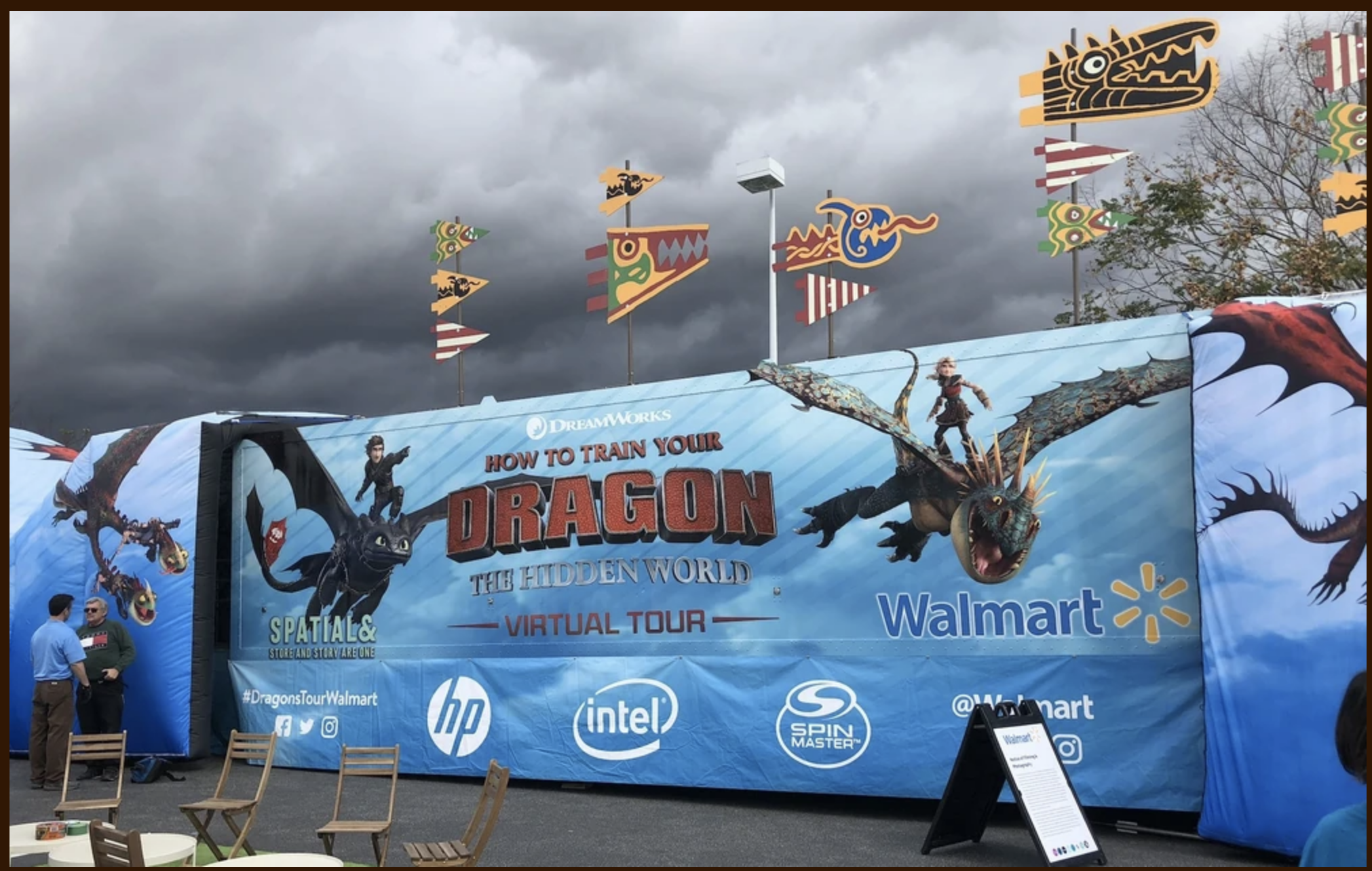
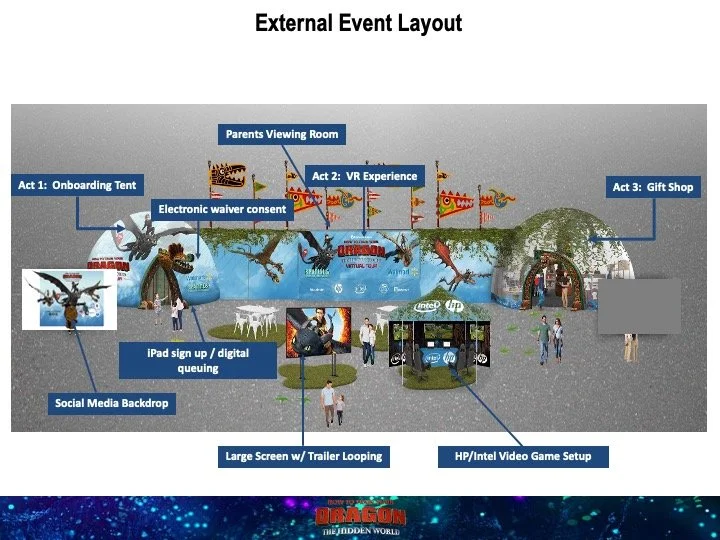
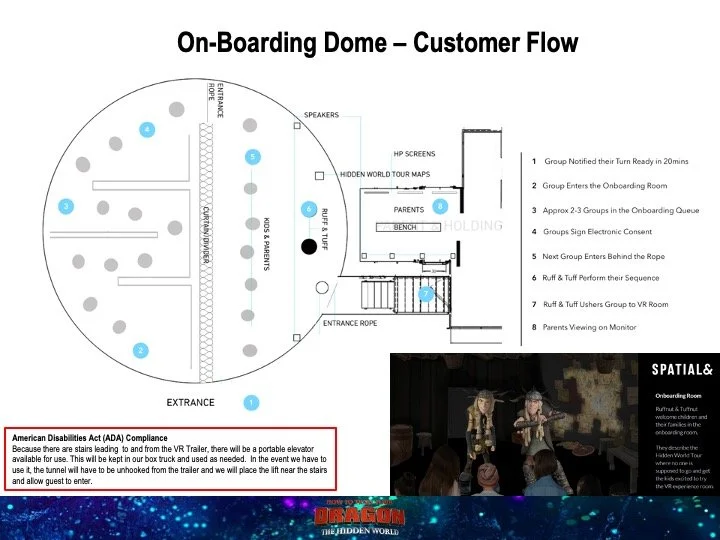
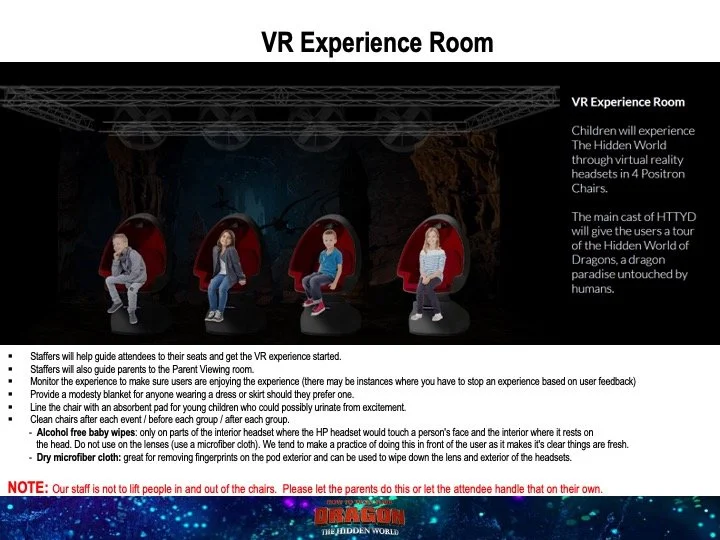
How To Train Your Dragon Virtual Tour
Proving V-Commerce At Scale
50 Walmart Stores
2-Day Setup
Feature Film Quality
Pop-Up Store with How To Dragon A Dragon products
Patent Pending Tech
Testimonials
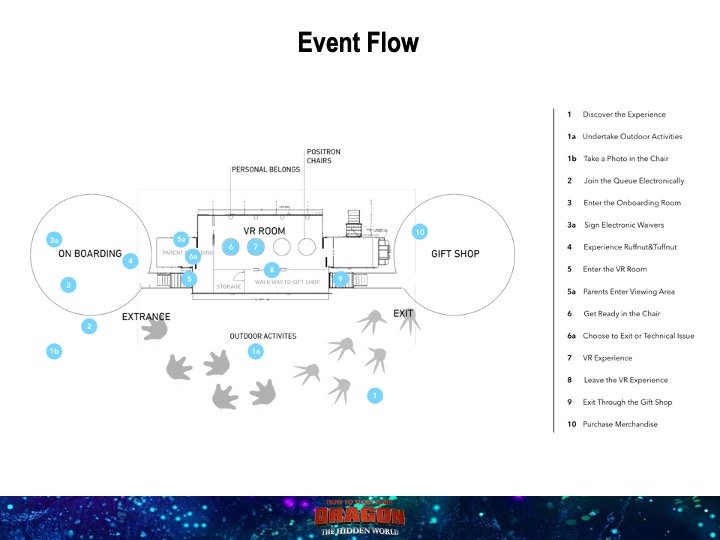
A look inside the Walmart customer’s experience and journey.


Award Winning VR Experience

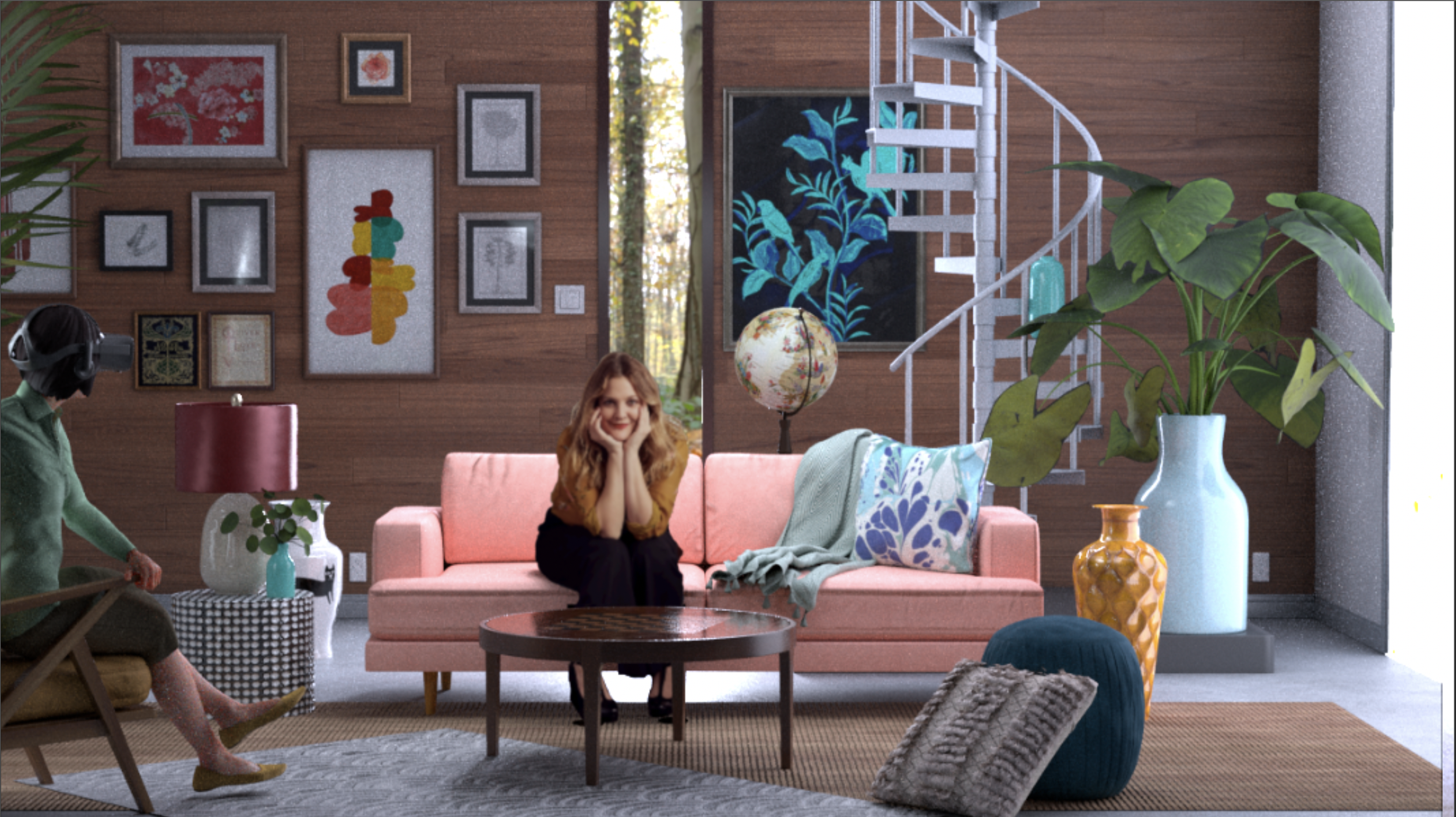
Avatar Shopping Experience
HOME
with Drew Barrymore
Home with Drew Barrymore
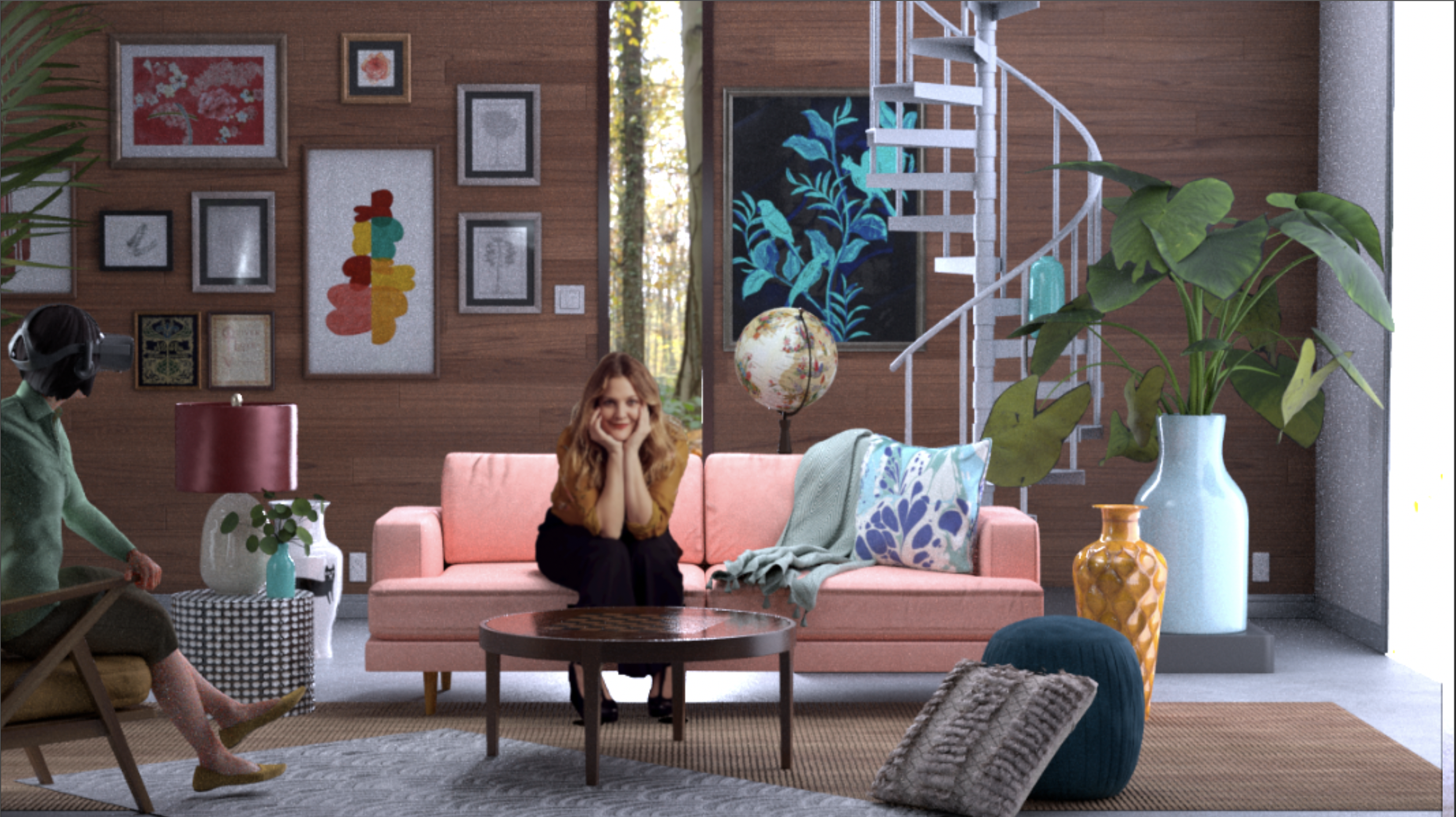
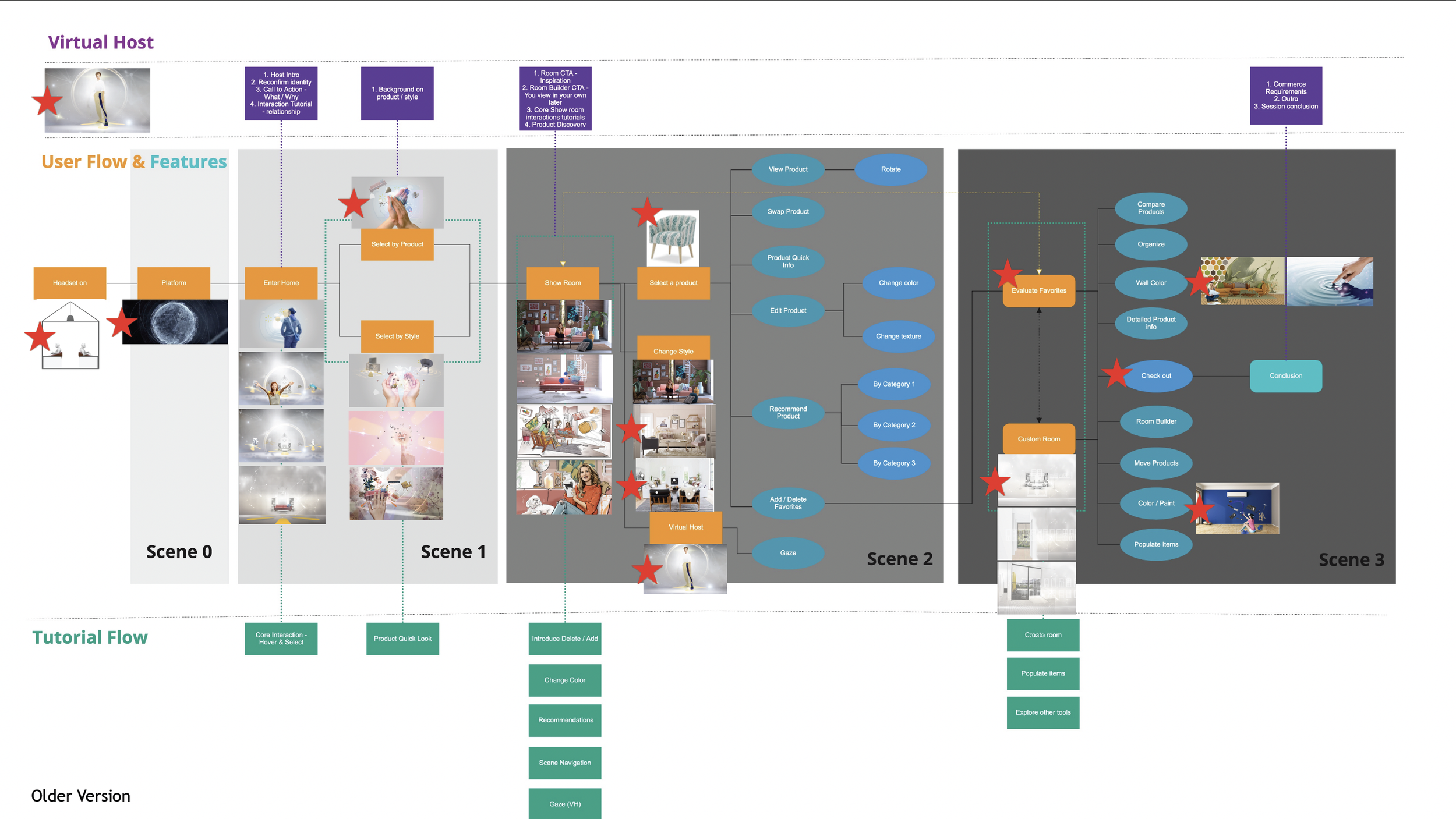
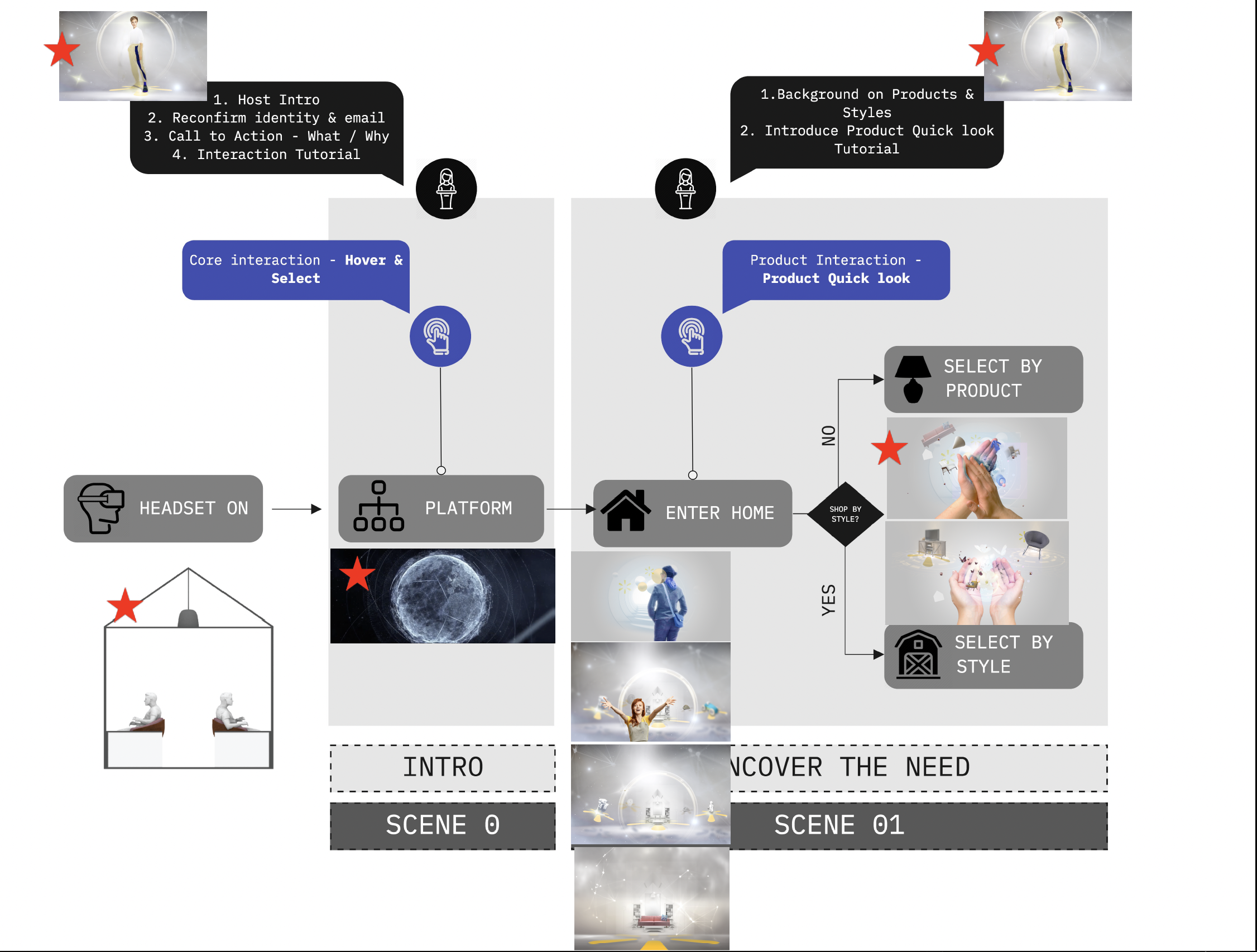
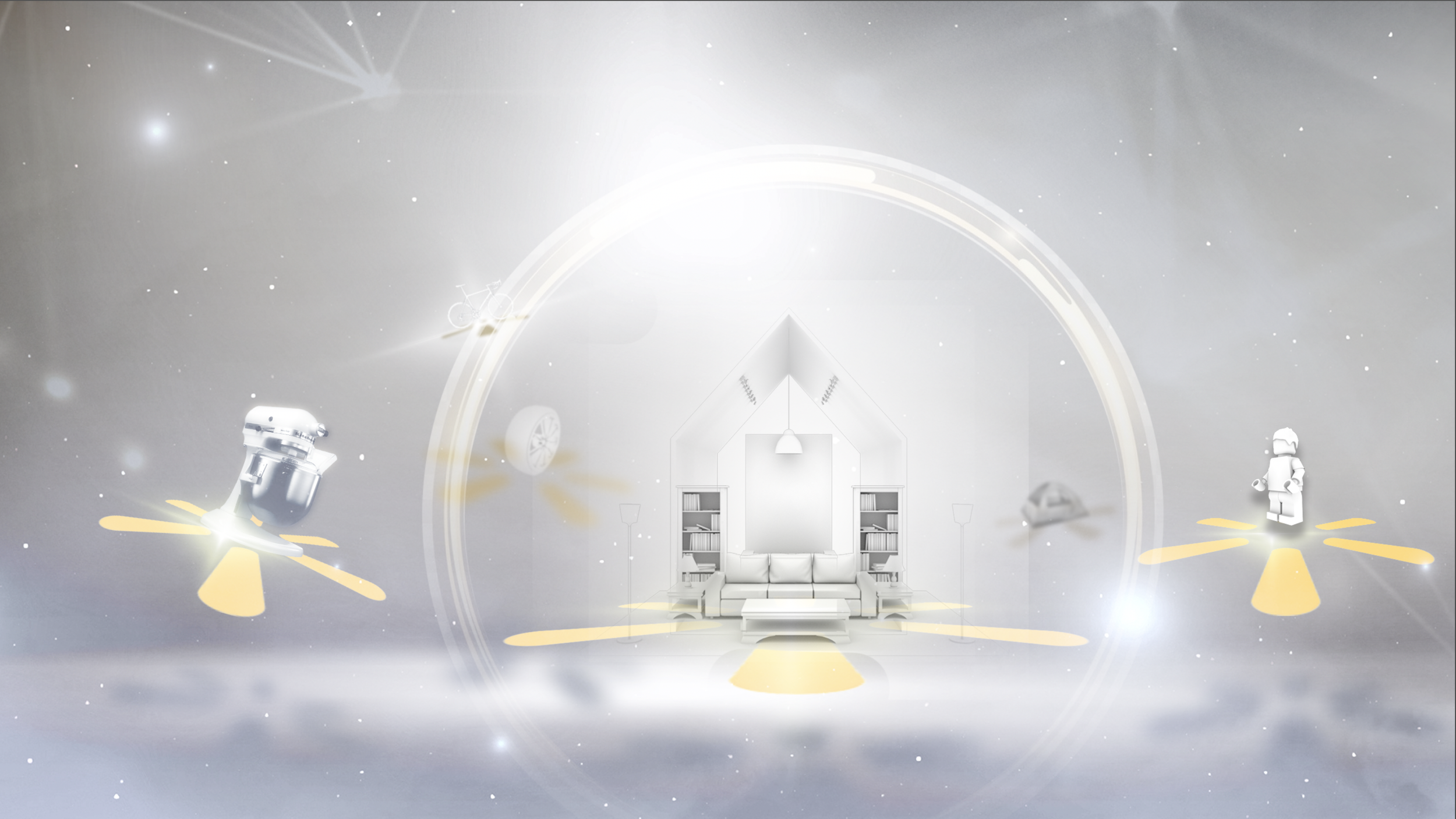
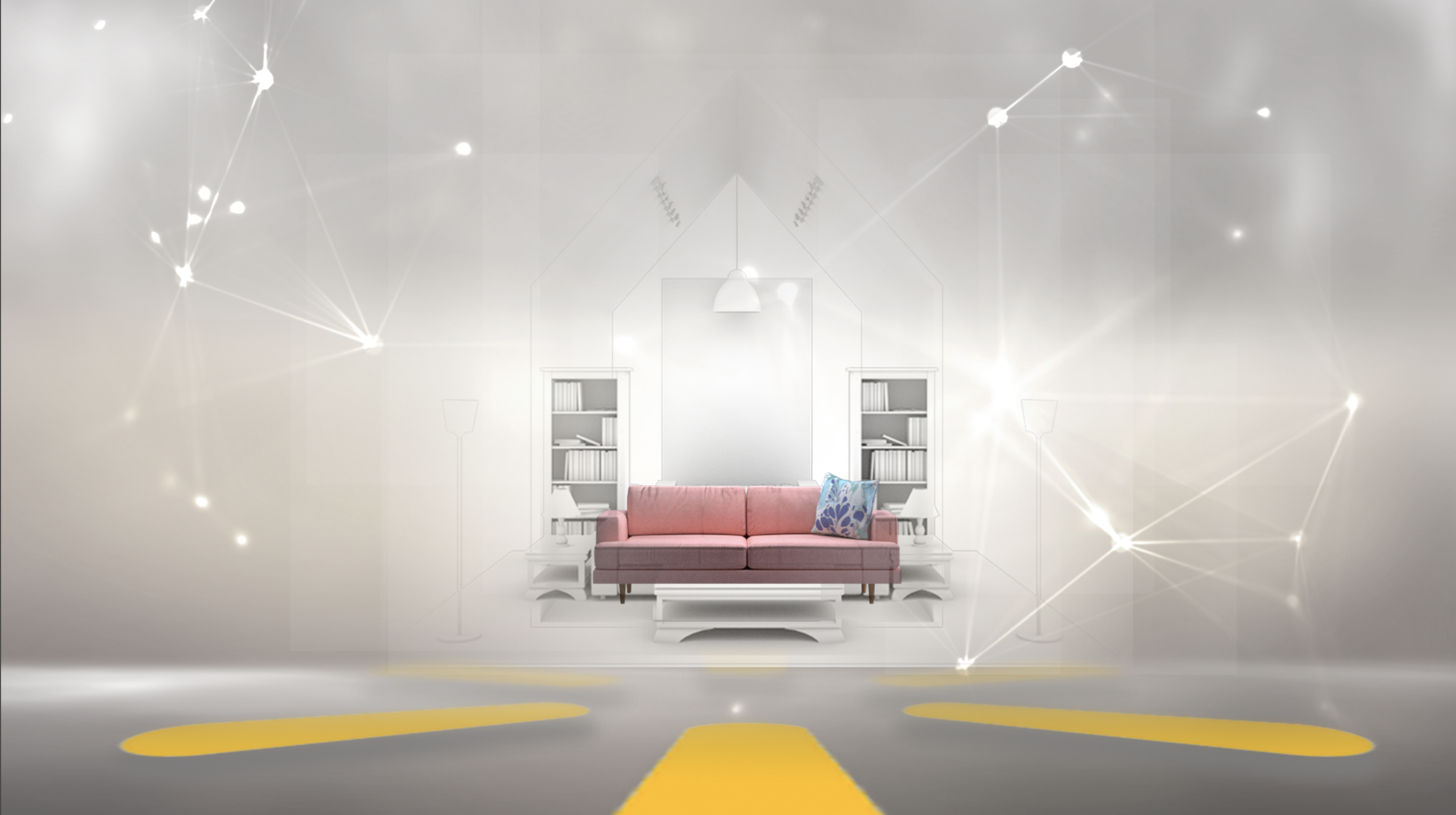
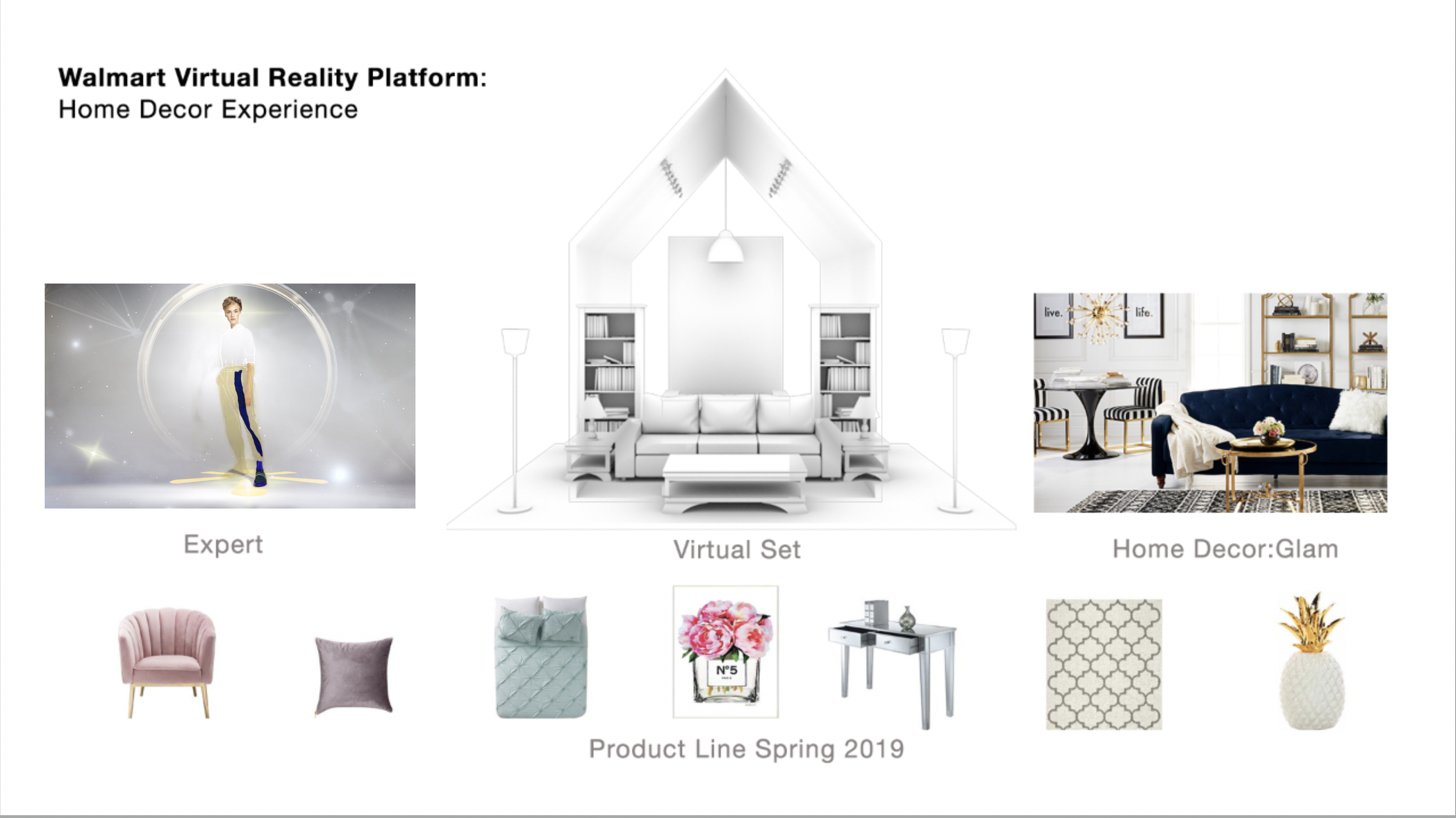
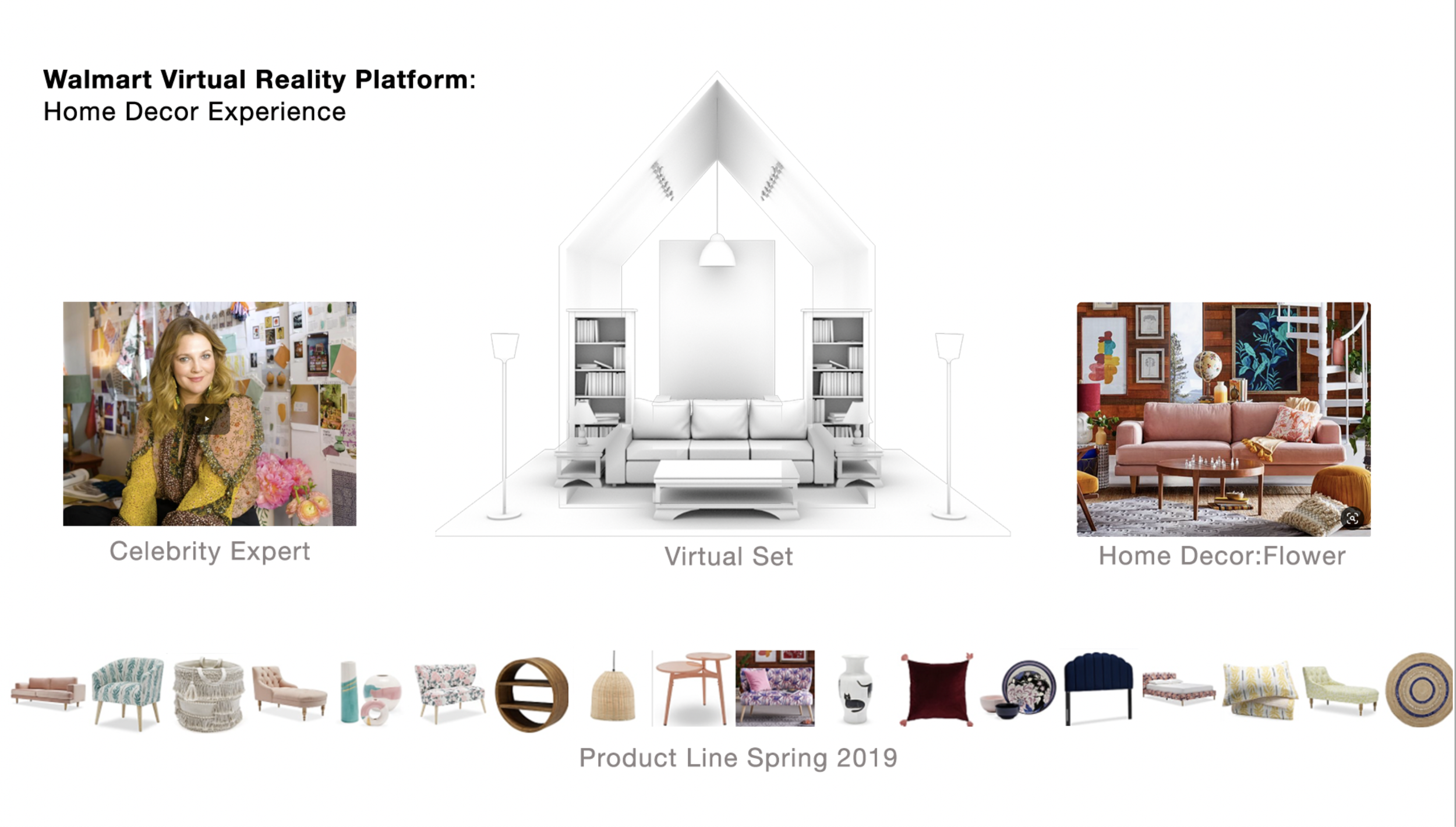
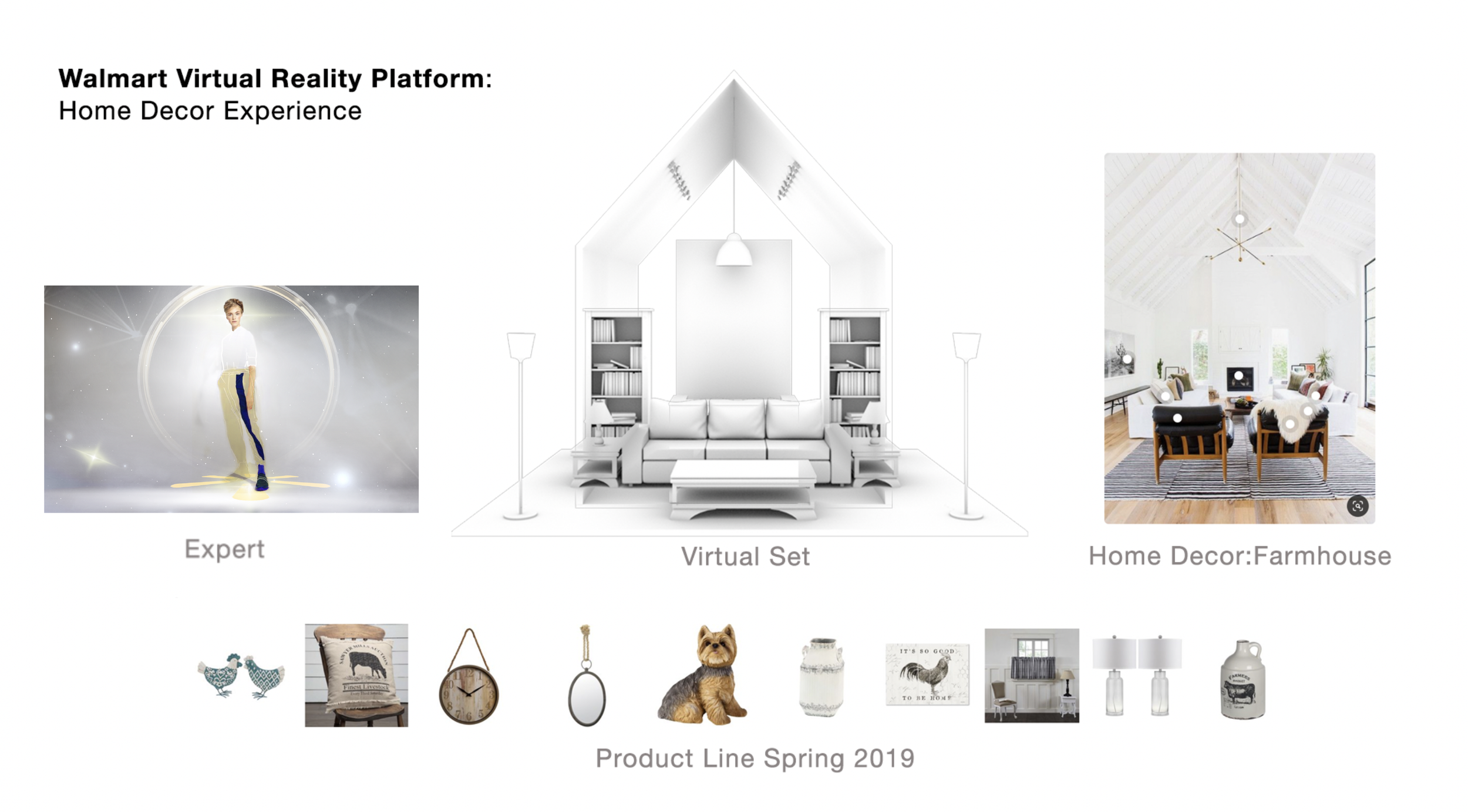
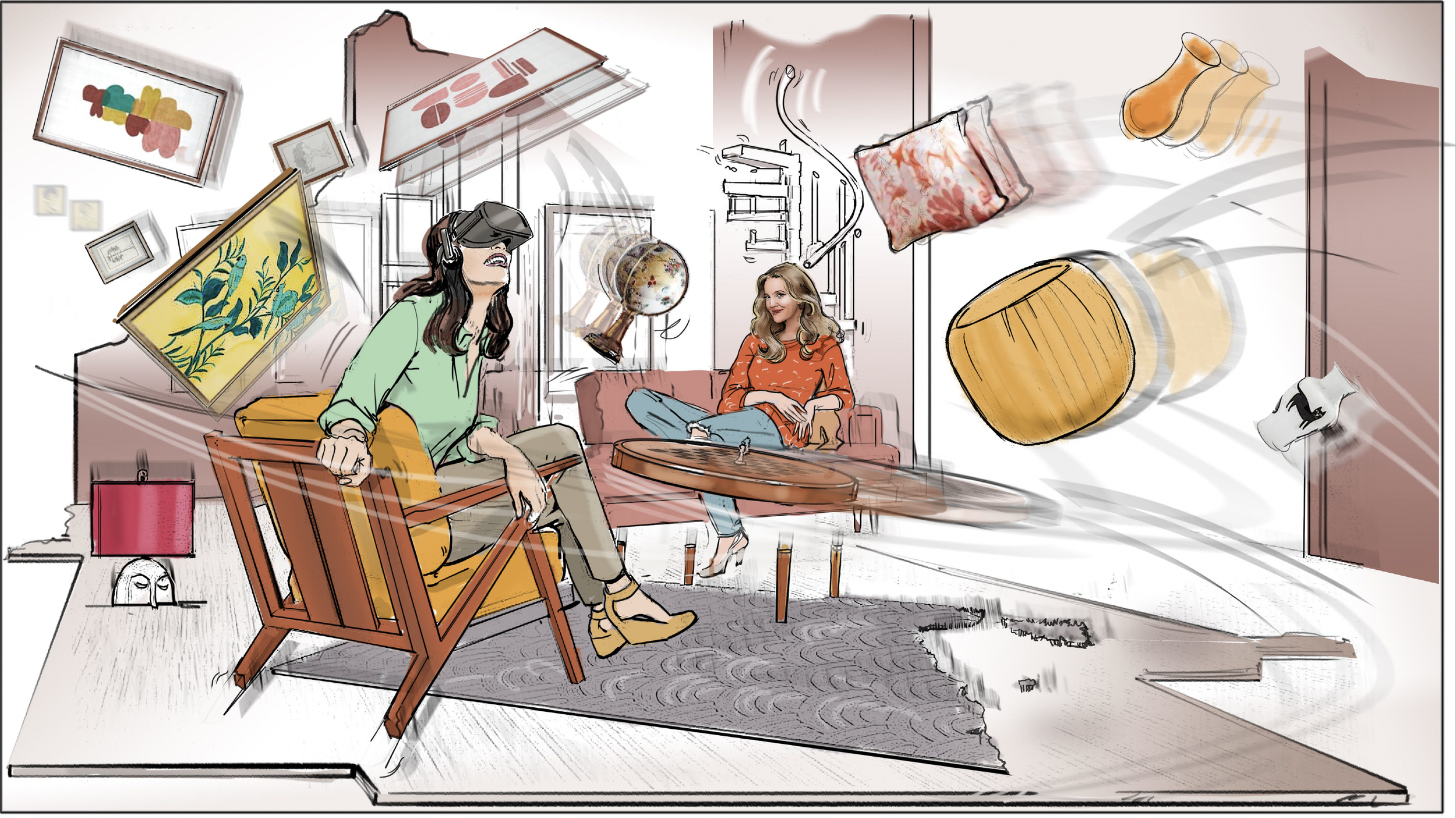
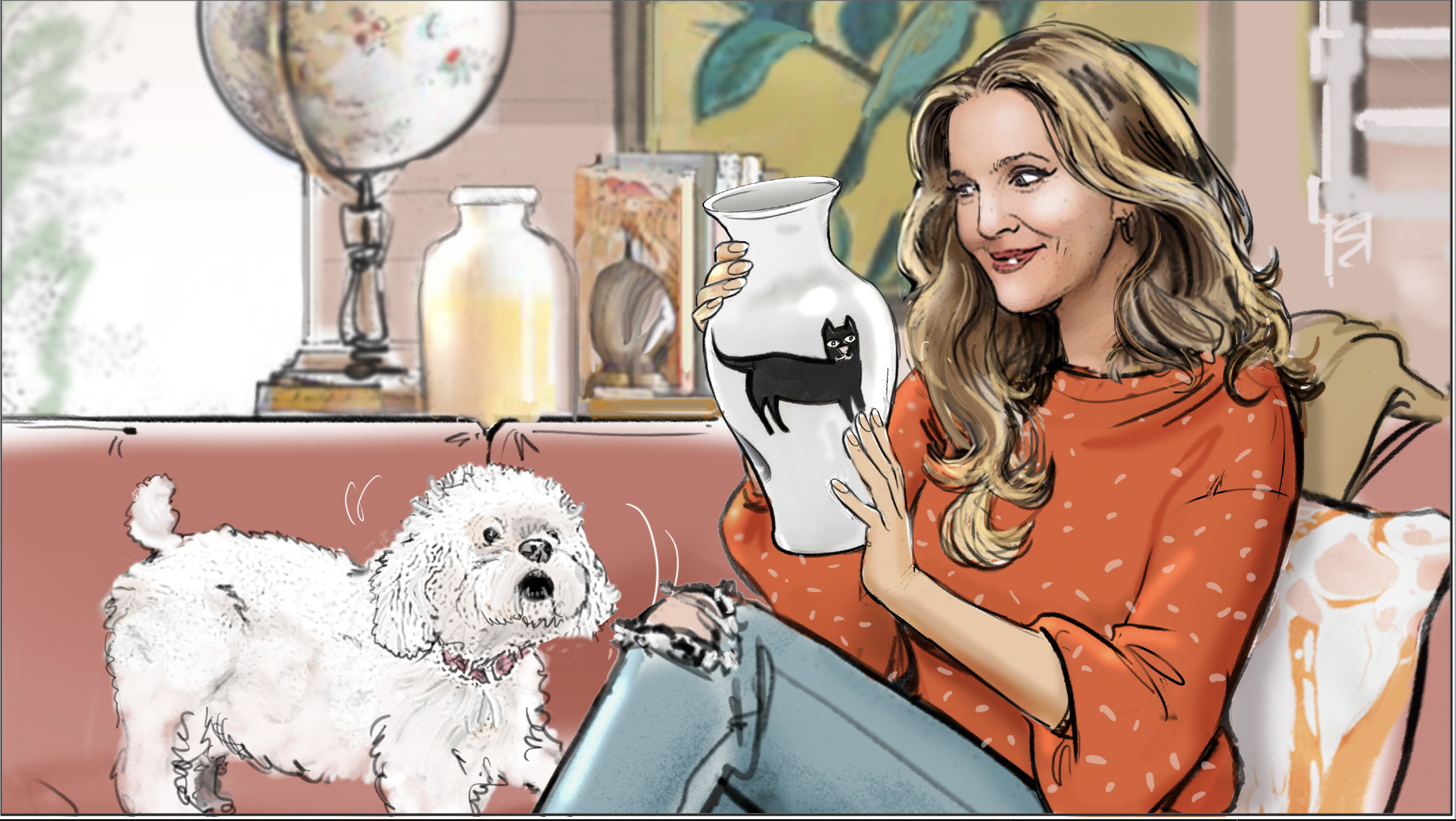
Customers could enter a virtual home environment and interact with a Drew Barrymore avatar who would guide them through her home collection, demonstrating products in context and helping them visualize items in their own spaces.
To accomplish this, we had to overcome fundamental challenges:
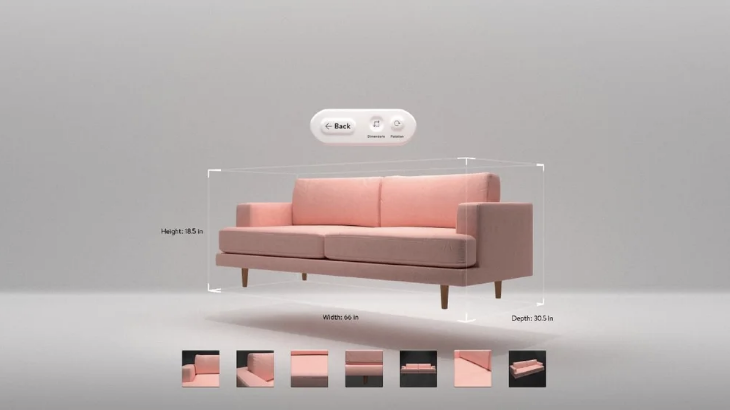
Photo-realism - Merchandised items must be accurate to the physical products they represent. We crafted furniture to be structurally appropriate, with colors and textures true to form.
Architecturally sound environments - VR spaces that consumers explore had to look and feel like actual homes. We hired traditional architects to create environmental blueprints.
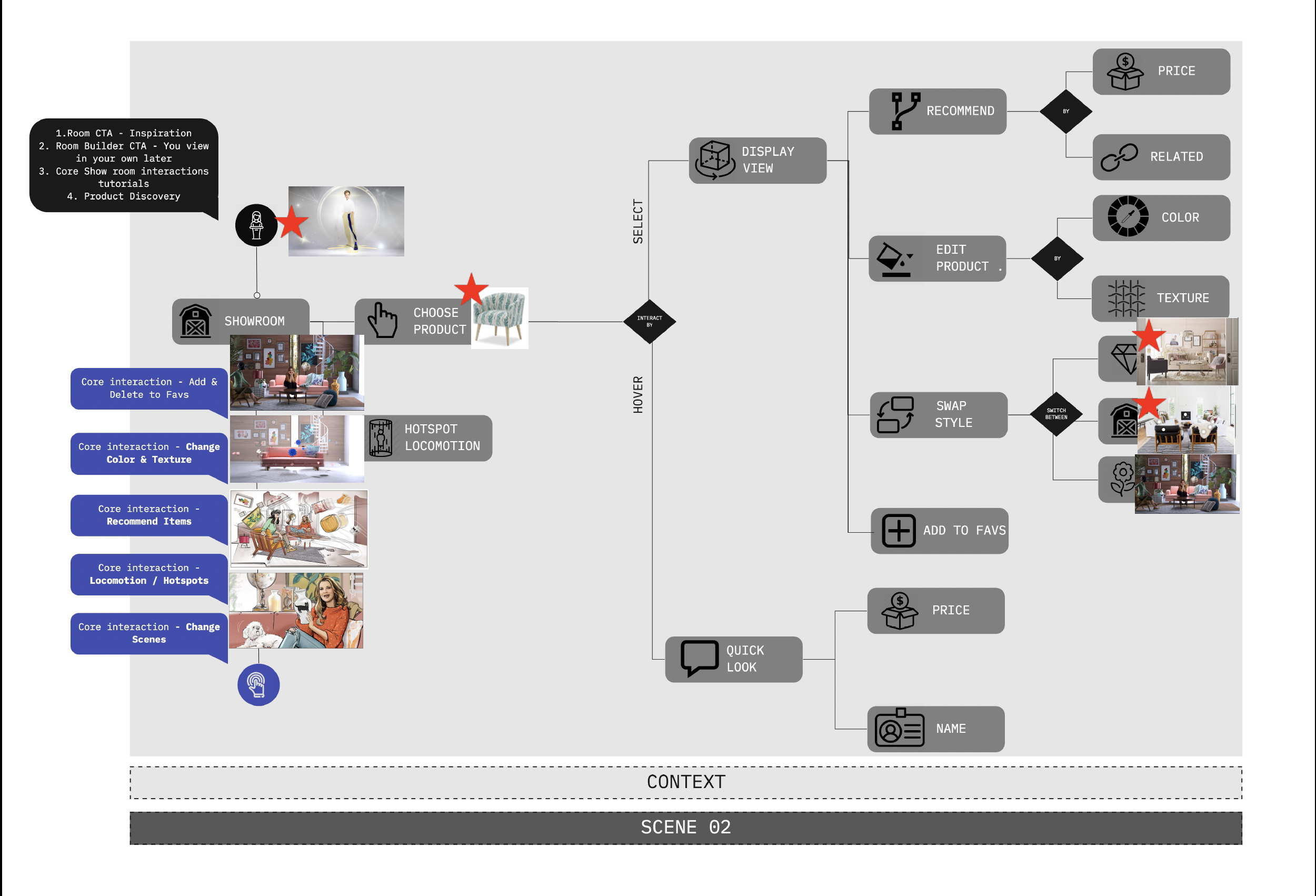
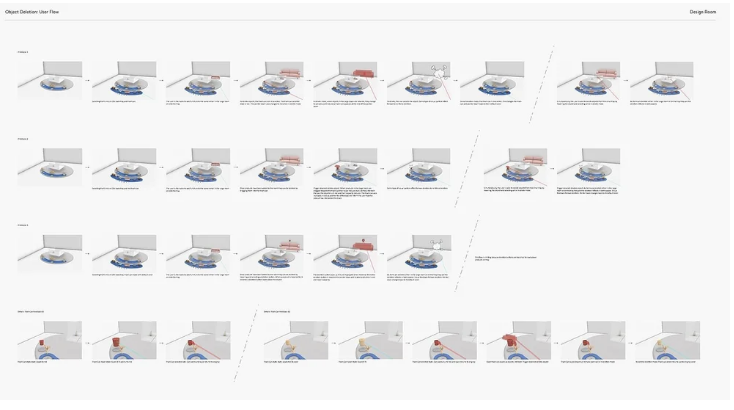
Interaction paradigms - Unlike web and mobile, VR lacked decades of standardization. A built-for-purpose design system had to be codified from scratch.
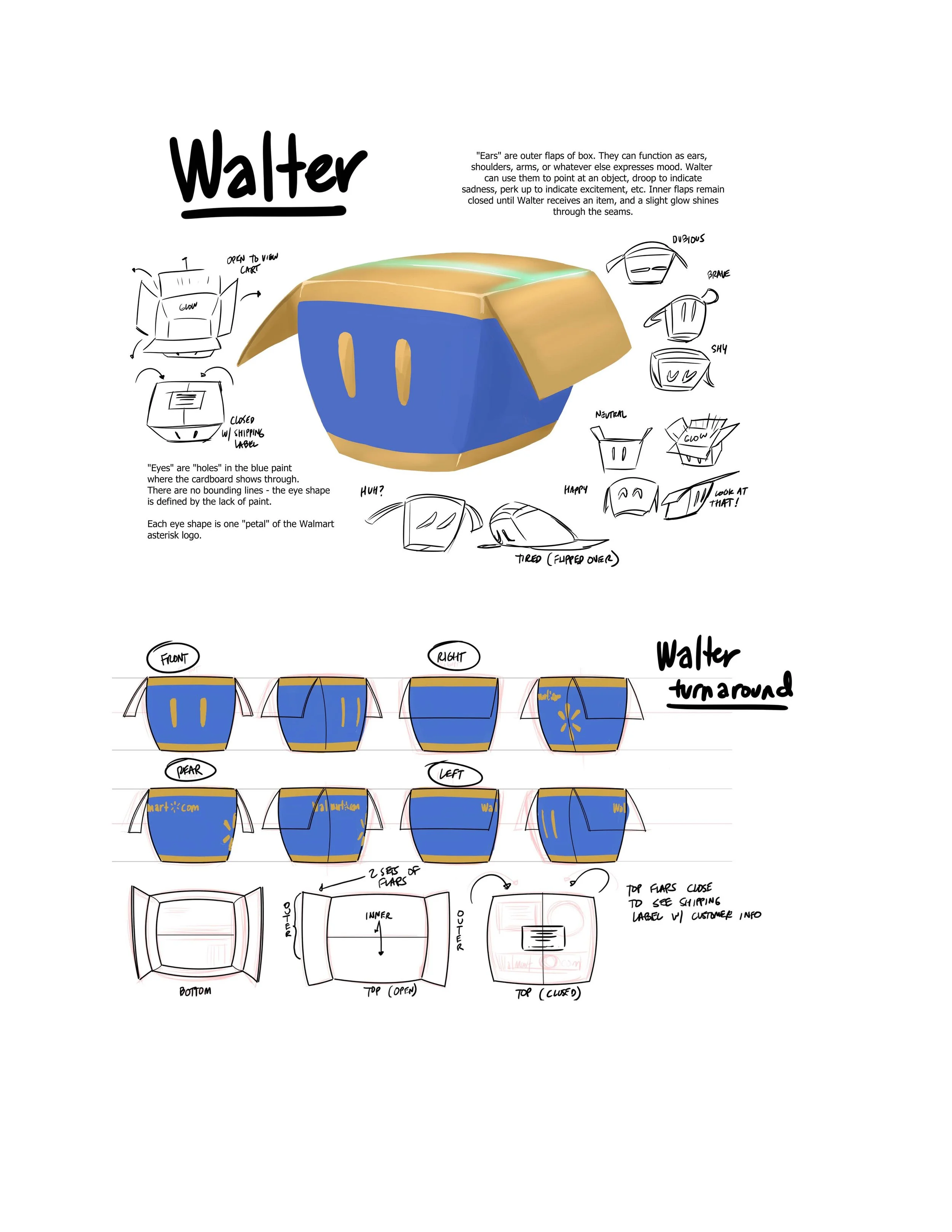
Avatar interaction design - Creating believable avatar hosts like Drew Barrymore required natural gesture systems, conversational flow, and spatial awareness to guide users through product experiences.
Additionally, VR was not ubiquitous in people's homes at the time. A location-based system was required to meet consumers where they were, in-store. This included:
Designing, fabricating, and constructing physical VR pods with integrated technology for operating at scale, deployed in stores
A custom-built VR control system, hardware-agnostic for remote deployments and live monitoring
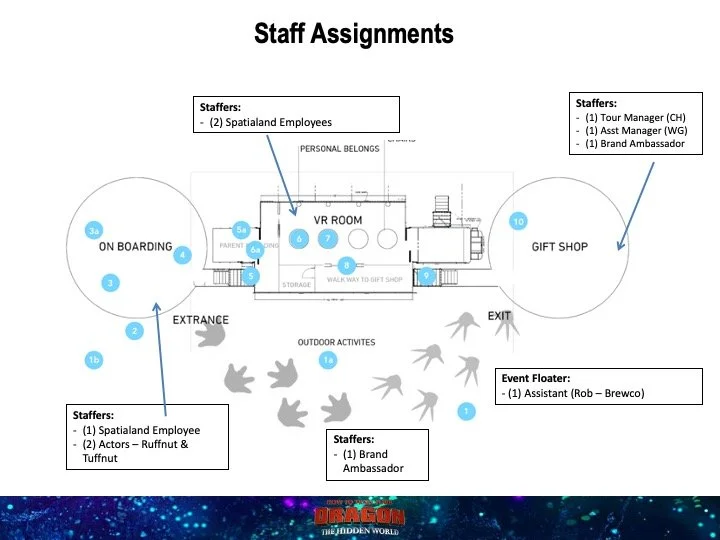
A queue management system to optimize wait times, manage throughput, and track live operations